Powering Backup Power Unit Value
Learning About Standby Generators: Key Information for Property Owners Everywhere
Standby generators are vital for homeowners looking for reliable backup power during power failures. These systems automatically detect power failures and activate almost instantly, making sure essential functions remain operational. Understanding their components, advantages, and setup needs is crucial for making smart choices. When property owners look into buying this equipment, many considerations come into play that could greatly impact their choice. What factors should owners focus on when choosing the correct generator for their necessities?
What Defines a Standby Generator?
A standby generator is an emergency electrical unit intended to instantly deliver energy during a power outage. In contrast to portable generators, that need manual configuration and gas refills, standby generators are permanently installed and connected to a property's electrical system. This setup permits them to identify outages and start up within seconds, ensuring that necessary equipment and functions keep running.
Standby generators run on natural gas or propane, which makes them trustworthy for prolonged usage without constant gas refills. These units offer diverse capacities, serving a range of electricity requirements, from compact home systems to larger commercial systems. Additionally, many models include elements including automatic transfer switches, which automatically change the source of power without manual input.
The Operation of Standby Generators?

Standby generators work by perpetually observing the electricity flowing into a property. Once an electrical failure is sensed, the generators turn on by themselves, supplying continuous energy to the property. This process begins with the generator’s control panel, which identifies the absence of main power. Upon detection, it issues a prompt to fire up the generator in a few moments.
Fueled by natural gas or propane, the generator fires up and creates energy. The resulting power is then directed through a power transfer device, which separates the house from the utility lines to stop electricity from flowing back. The transfer switch ensures that the home receives power from the generator until the utility service is restored.
Once the utility service is restored, the standby generator automatically shuts down and remains on standby, prepared to engage again if required. This ability to operate automatically renders standby generators a trustworthy power backup when the power fails.
Primary Benefits of Backup Generators
These systems deliver considerable upsides, mainly by guaranteeing an constant power access when the grid fails (Portland Standby Generators). This consistent performance improves convenience for homeowners but often contributes to an increase in property value. As a growing number of people desire dependable energy systems, the attractiveness of backup generators keeps increasing
Constant Power Availability
While power outages can disrupt daily life and business operations, these systems deliver a reliable solution by guaranteeing continuous electricity. The generators turn on automatically during outages, preserving critical operations such as heating, cooling, and refrigeration. This feature is especially helpful for companies needing continuous electricity to assist clients and safeguard goods. Moreover, these generators boost safety by ensuring security measures and backup lights working during outages. By minimizing periods of inactivity, they aid in reducing financial damage, allowing homeowners and businesses to resume regular operations quickly. Overall, standby generators offer peace of mind, assured that power is always on hand when necessary, safeguarding both property and livelihood from the erratic behavior of power failures.
Increased Property Value
Property owners and companies may find that installing a standby generator considerably enhances property value. The growth in value stems from various factors, like the benefit of trustworthy power during outages. Potential buyers often view properties with standby generators as highly sought after due to the enhanced protection and comfort they offer. Moreover, backup generators minimize the chance of harm to residential infrastructure and equipment during outages, further attracting buyers concerned about maintenance costs (Portland Standby Generators). Furthermore, in areas prone to severe weather, having a standby generator can be a significant selling point. Ultimately, the installation of a standby generator doesn't just give peace of mind but also serves as a valuable investment that can produce a good return when selling a property
Standby Generator Varieties
If you are looking at options for backup power, it is essential to understand the various types of standby generators available. The chief categories consist of portable and stationary generators. Portable generators are versatile units that can be easily moved and are most often powered by gasoline. They are suitable for temporary power needs but cannot power entire home systems.
Conversely, stationary generators, often referred to as whole-house generators, are installed permanently and wired into the home's electrical system. These units typically operate using natural gas or propane, delivering a more dependable and stable power supply during outages.
Another distinction is between automatic and manual generators. Automatic standby generators start up automatically during a power failure, while manual models require user intervention to activate. Knowing these distinctions aids property owners in choosing the best suited generator type for their specific backup power requirements.
What to Consider Before Buying
When considering a standby generator, buyers should review several key factors. Determining power requirements, selecting the appropriate fuel type, and analyzing installation and maintenance needs are essential steps in the decision-making process. These considerations can greatly impact the final suitability and performance of the generator.
Determining Power Needs
Before acquiring a standby generator, it is essential to assess the specific power requirements to make sure of adequate support during outages. Property owners ought to start by listing the important appliances and systems that need backup power, such as heating, cooling, refrigeration, and medical equipment. Next, they must calculate the total wattage required by these devices, considering both running and starting wattages. In addition, it is important to determine whether the generator will be used for only some or whole-home backup. This analysis guides the choice of a generator with the correct size, typically measured in kilowatts (kW). Understanding these electrical demands validates that the generator can capably support necessary services during electrical failures, delivering confidence and safety.
Factors Regarding Fuel Selection
Selecting the right fuel source for a standby generator is crucial, as it directly influences performance, availability, and cost of operation. Common fuel options include natural gas, propane, and diesel. Natural gas is commonly chosen for its ease of use and reduced pollutants, positioning it as a good option for properties that have a gas connection. Propane provides mobility and a extended storage period, perfect for isolated areas. Diesel generators, while generally having more capacity, may require more expensive fuel and need extra storage planning. Property owners should also review local fuel availability and potential price fluctuations. Additionally, environmental regulations may influence the choice of fuel type, leading to the evaluation of cleaner alternatives to satisfy regulations and improve green initiatives.
Considering Setup and Service
The choice of fuel type for a standby generator is just one aspect of the decision-making process; installation and maintenance requirements are paramount. Property owners must consider the complexity of installation, which may demand specialized support, especially for systems involving electrical connections and plumbing. Proper placement and venting for the generator are also essential to guarantee safety and efficiency.
Maintenance needs require periodic reviews, oil changes, and battery checks, which are required to ensure maximum efficiency. Some generators offer automatic self-diagnostic features, making upkeep easier. Additionally, the accessibility of local maintenance staff can influence the overall upkeep. By evaluating these factors, property owners can make informed decisions, guaranteeing the unit works when needed when an outage occurs.
The Installation Procedure and Necessary Steps
Although the installation of standby generators may seem straightforward, it involves several important phases and requirements that must be carefully adhered to. First, a complete site assessment is required to determine the ideal location for the generator, including details such as distance from the home and accessibility for maintenance. Regional building codes and zoning regulations need to be checked to ensure adherence.
Afterward, proper sizing is vital; generators must be chosen based on the property's power requirements. Once the unit is chosen, a certified electrician typically handles the installation, linking the generator with the electrical system and checking for proper grounding.
Fuel supply lines, whether natural gas or propane, must be put in place, complying with safety standards. Finally, a transfer switch is necessary to control electricity during outages. Adhering to this process ensures a safe and efficient installation, laying the groundwork for reliable backup power.
Maintenance and Safety Tips
Consistent servicing of standby generators is vital for guaranteeing their reliability and longevity. Property owners must follow a regular maintenance schedule, which includes inspecting the generator every month. This includes examining the oil level, battery condition, and fuel system for corrosion or leaks. Furthermore, it is important to run the generator periodically to verify it operates correctly during power outages.
Safety is a top priority when operating standby generators. Owners must make pertinent information certain that the generator is installed outdoors in a properly ventilated space to avoid the accumulation of carbon monoxide. A transfer switch is vital to prevent backfeeding into the electrical grid, which could put at risk utility workers. Moreover, it is prudent to keep the generator clean and free from debris to avoid overheating. If they follow these maintenance and safety tips, property owners can get the best performance and lifespan of their standby generators, providing reassurance during power interruptions.
Frequently Asked Questions
How Long Can a Standby Generator Run Continuously?
A standby generator can run continuously for up to 24 hours on a full tank of fuel, subject to its capacity and the load it carries. Routine maintenance secures peak performance and extended lifespan, extending its operational time as required.
Do Standby Generators Have the Capacity To Supply Energy To The Full Residence?
Emergency power systems can supply electricity to the full residence, contingent upon their capacity and the home's energy demands - Portland Standby Generators. Proper sizing and setup are crucial to guarantee enough electricity for essential appliances during blackouts
What Fuel Types Are Compatible for Standby Generators?
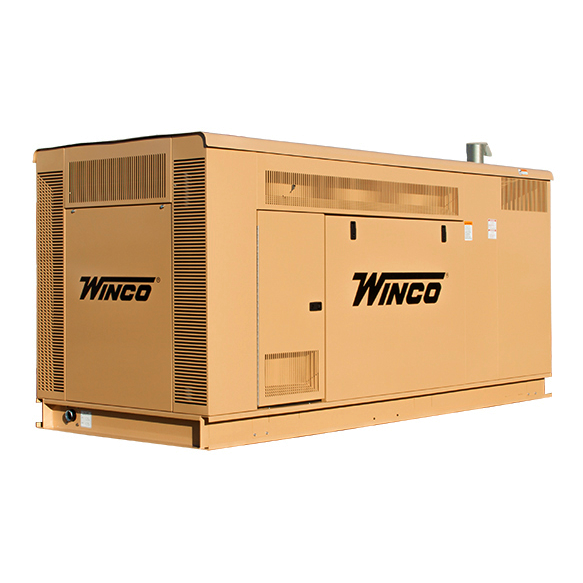
These units run using various fuel types, like natural gas, LP gas, diesel, and gasoline. Each fuel source has distinct advantages, impacting efficiency, availability, and running expenses, in accordance with the homeowner's unique circumstances and circumstances.
Do Standby Generators Get Noisy While Running?
Backup power units may be loud during operation, generally creating noise levels around 60-70 dB. Nonetheless, advancements in technology have produced quieter models, which significantly lower noise and still ensuring high efficiency during power outages.
Must I Obtain Permission For a Permit for Fitting a Standby Generator?
Absolutely, a permit is usually necessary for setting up a standby generator. Rules differ by location, so it is best to check with local authorities to ascertain compliance with zoning laws and security regulations before beginning the work.